Cold-Weather Workwear: What Belongs in a Winter Uniform Program?
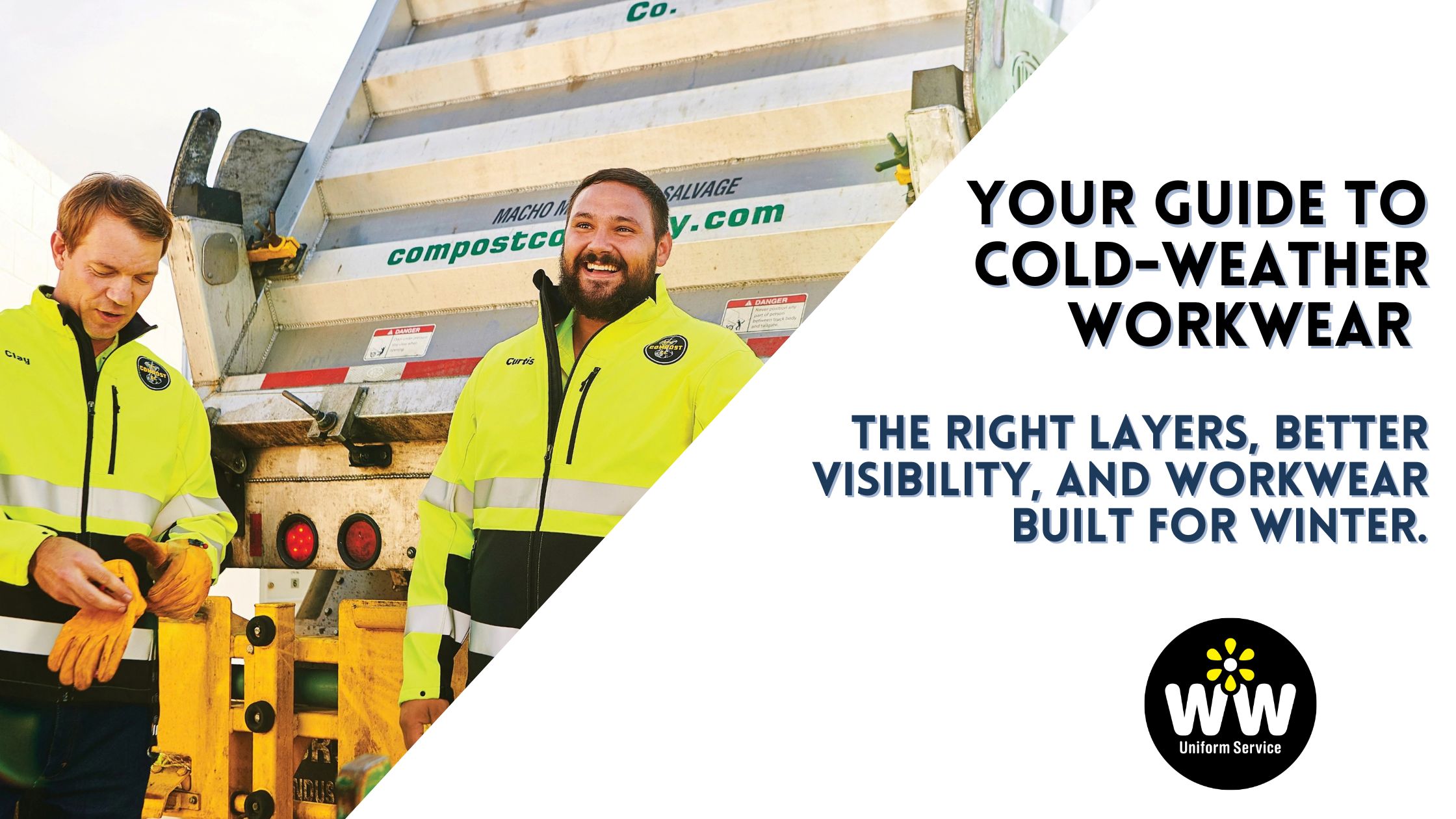
When temperatures drop across the East Coast, getting dressed for work takes a little more planning. Wind, snow, sleet, and freezing rain can make outdoor jobs especially challenging during the winter.
For employees in construction, transportation, logistics, and other industries that require time outdoors, the right workwear matters. Employees need clothing that helps them stay warm, remain visible, and move comfortably throughout their shifts.
A well-planned uniform program helps businesses prepare for changing conditions before cold weather becomes a daily challenge. So, what should your program include? Let's talk about it!
What Should a Winter Uniform Program Include?
The right combination of workwear depends on the job, the work environment, and how much time employees spend outside. Someone moving between a heated warehouse and a loading dock has different needs than a road crew working outdoors all day.
Here are five things to consider when building your cold-weather uniform program.
1. Insulated Jackets and Vests
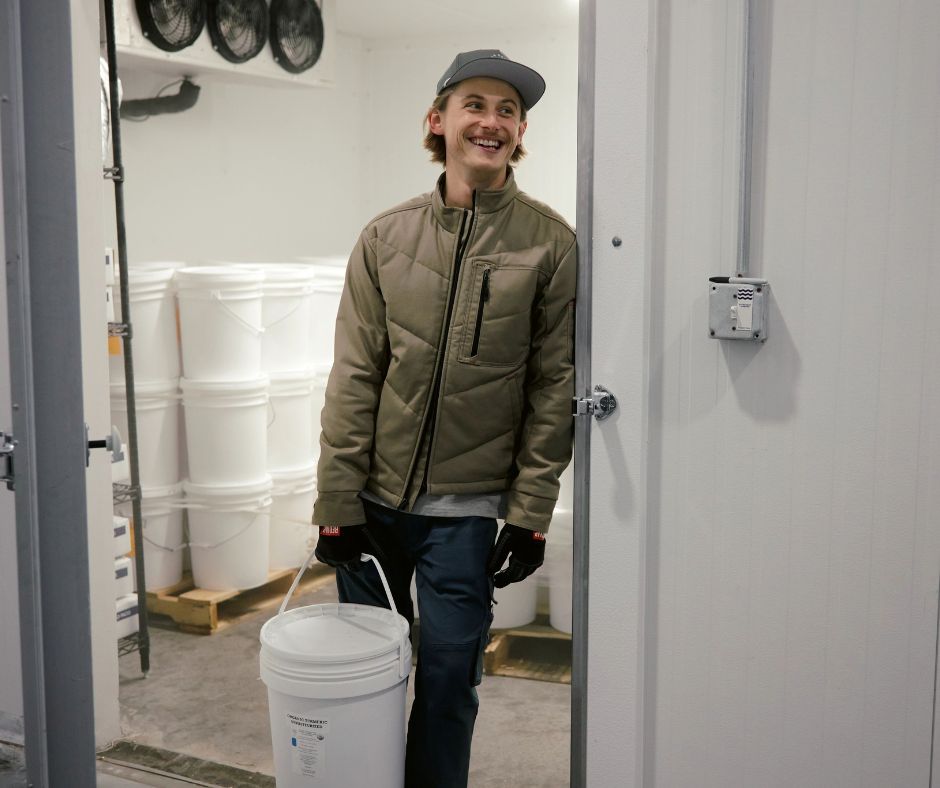
A good outer layer helps employees stay comfortable when temperatures drop, especially when they're exposed to cold winds or spending long periods outdoors.
Insulated work jackets are a practical option for employees who need substantial warmth. Look for features such as:
- Insulation appropriate for the expected temperatures and activity level
- Wind-resistant materials to help reduce exposure to cold gusts
- Water-resistant or waterproof construction for rain, snow, and sleet
- Adjustable cuffs and collars to help limit drafts
- Durable fabrics that can handle regular wear
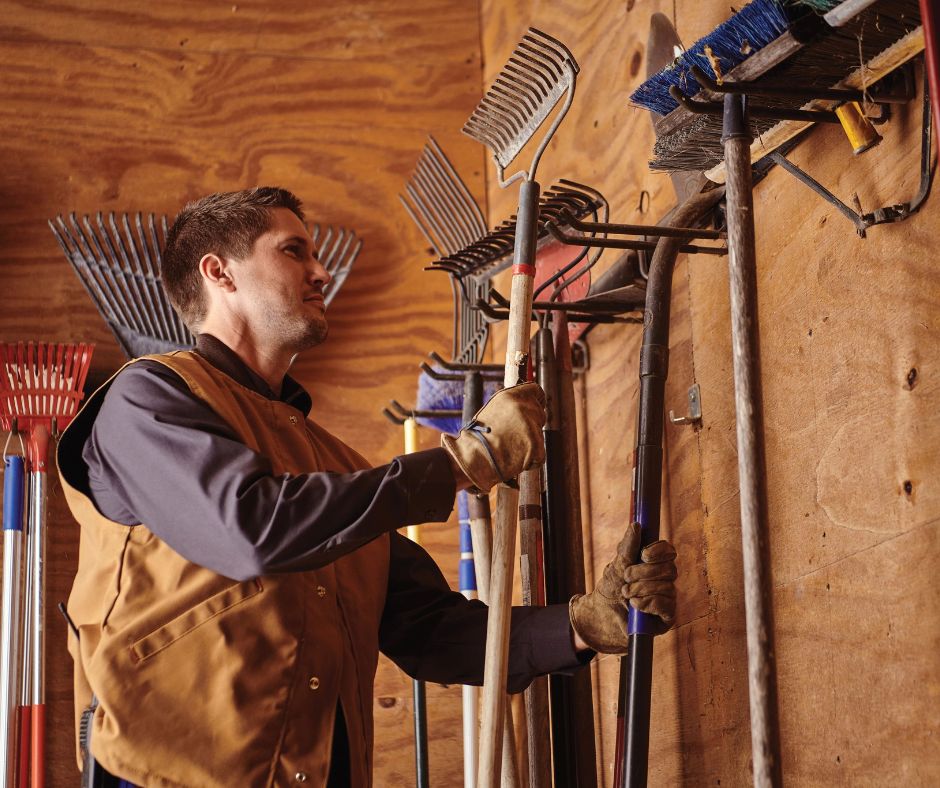
Vests can be useful for employees who need extra warmth through their core without as much bulk around their arms. They may work well for physically active employees or those moving between indoor and outdoor environments.
The key is matching the garment to the conditions. Employees working outside for hours in freezing temperatures will likely need more protection than those stepping outdoors for short periods.
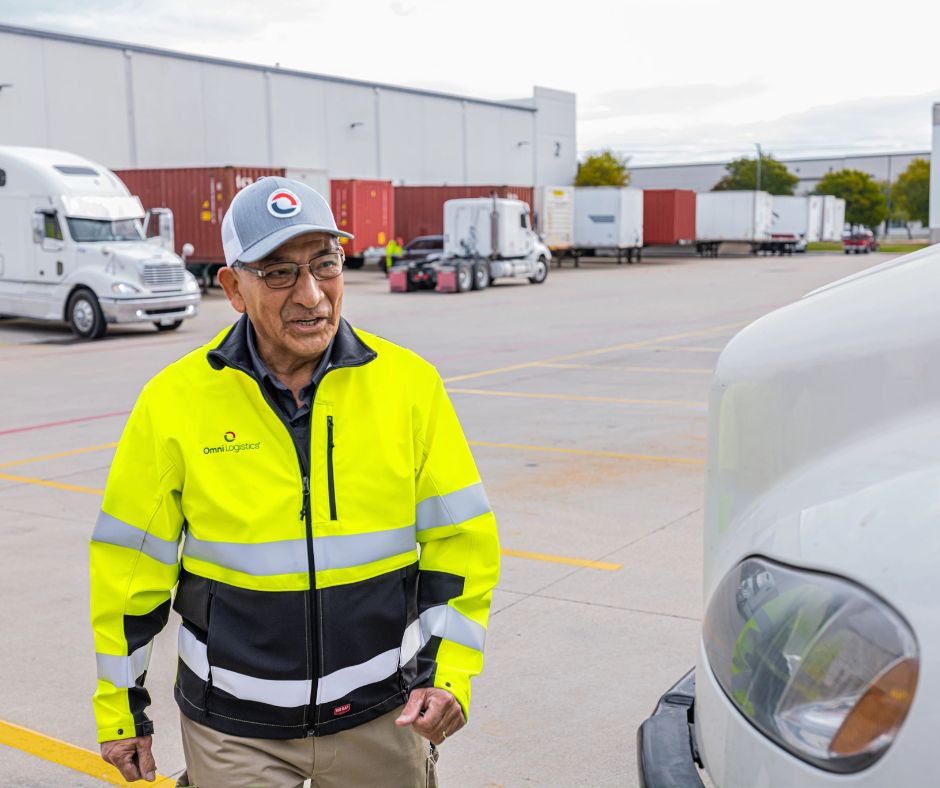
2. High-Visibility Winter Outerwear
Winter brings another challenge for outdoor workers: shorter daylight hours.
Employees may start their shifts before sunrise or finish after sunset. Add snow, rain, and overcast skies, and it becomes even more important for workers to remain visible to drivers, equipment operators, and coworkers.
This is especially important in industries such as:
- Transportation: Drivers, roadside crews, and employees working around vehicles
- Logistics: Dock workers, delivery teams, and employees in outdoor yards
- Construction: Road crews and workers near active job sites
- Utilities and maintenance: Employees working near roads or responding to outdoor service calls
High-visibility jackets and coats help workers remain easier to see. Choose garments that meet the applicable workplace requirements, including visibility class and reflective material specifications.
Don't let warmth compromise visibility. Additional layers shouldn't cover required high-visibility material. Inspect garments regularly for dirt, damage, and worn reflective components, and follow the manufacturer's care instructions.
3. Flame-Resistant (FR) Layering
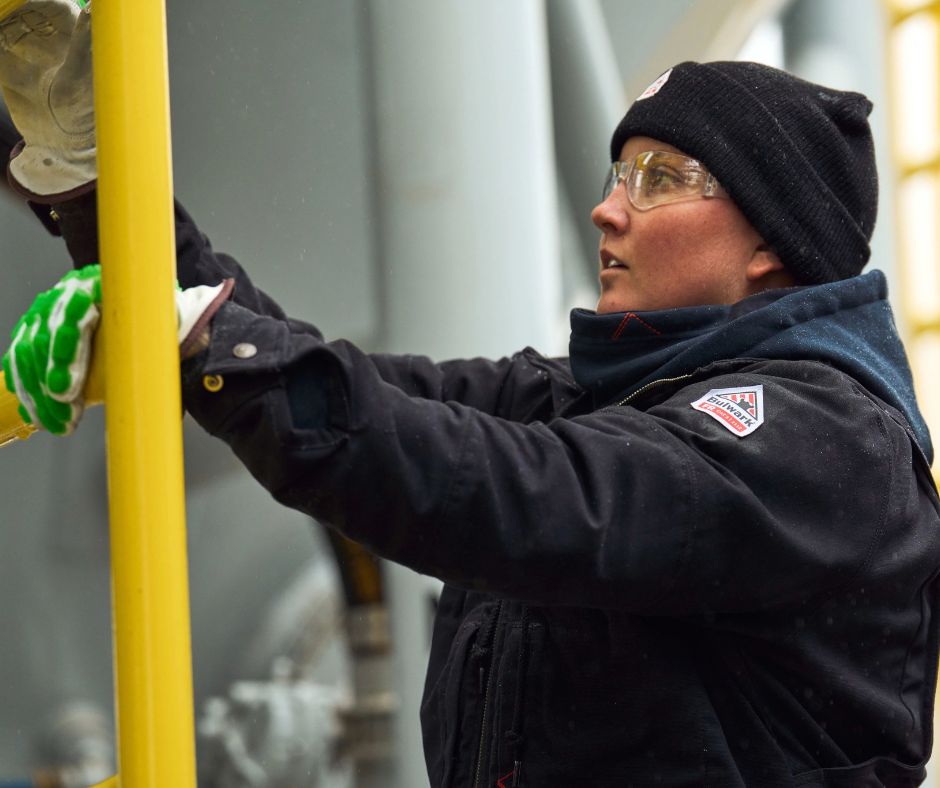
For employees who need flame-resistant workwear, winter layering requires extra attention.
Adding an ordinary sweatshirt or insulated jacket over required FR clothing can compromise the intended protection if the outer garment isn't suitable for the workplace hazards.
When planning winter workwear, consider:
- FR base layers: Choose garments appropriate for the identified hazards.
- FR outerwear: Select insulated jackets and other layers designed for the intended use.
- Layer compatibility: Confirm that the complete clothing system meets applicable requirements.
- Proper care: Follow manufacturer laundering instructions to maintain the garment's intended protective properties.
Some employees also need high-visibility FR garments. Your safety team and uniform provider can help identify options suited to the job.
4. Fit and Mobility
Winter workwear often involves multiple layers, and extra bulk can make everyday tasks more difficult. Employees may need to climb into vehicles, lift materials, operate equipment, or reach overhead while wearing their uniforms.
When selecting garments, look for:
- Room for layering: Jackets should accommodate intended base and mid-layers without pulling tightly.
- Freedom of movement: Employees should be able to bend, reach, lift, and turn comfortably.
- Appropriate length: Outerwear shouldn't interfere with sitting, climbing, or operating equipment.
- Proper sizing: A range of sizes and fits helps employees find workwear suited to their bodies and job duties.
Clothing that's too tight can restrict movement, while clothing that's too loose can snag on equipment or create other hazards.
Have employees try on their winter gear and perform a few normal work movements before the season begins. It's a simple way to catch fit issues early.
5. Laundering and Replacement
Winter workwear takes a beating. Road salt, mud, slush, rain, and general job-site grime can quickly leave jackets looking worn.
A consistent laundering and replacement plan helps businesses keep garments in good condition throughout the season.
Regularly check for:
- Torn seams, broken closures, and damaged cuffs
- Worn or damaged reflective material
- Damaged insulation or declining weather resistance
- Stains or contamination that can't be adequately removed through approved laundering
Follow the manufacturer's care instructions, especially for FR and high-visibility garments. Replace items when they no longer meet the required safety or performance standards.
A managed uniform program can help businesses establish a consistent process for garment care, inspections, and replacement instead of leaving employees to handle everything themselves.
5 Tips for Keeping Outdoor Teams Warm This Winter
Choosing the right garments is only part of the equation. These practical steps can help employees prepare for cold-weather work.
1. Build Around Layers
A layering system gives employees more flexibility than relying on one heavy jacket.
- Base layer: Helps manage moisture next to the skin.
- Mid-layer: Provides insulation to help retain body heat.
- Outer layer: Helps protect against wind and precipitation.
Make sure all layers are compatible with any required FR or high-visibility clothing.
2. Plan for Wind and Wet Weather
Cold temperatures aren't the only concern across the East Coast. Wind, freezing rain, and wet snow can make outdoor work uncomfortable and increase the risk of cold-related illness.
Choose outerwear suited to the conditions employees actually face, including the amount of time they spend exposed to wind and precipitation.
3. Prepare for Shorter Days
Review high-visibility workwear before daylight hours decrease. Make sure employees have the required garments, reflective areas remain visible, and damaged items are replaced before winter conditions become more challenging.
4. Account for Changing Temperatures
Employees may move between heated buildings, vehicles, and outdoor work areas throughout the day. A flexible layering system helps them adjust to changing conditions while maintaining required protection.
5. Include Cold-Weather Safety Planning
Workwear is only one part of keeping employees safe. Employers should also consider exposure time, wind chill, access to warm-up areas, and procedures for recognizing cold stress.
Train employees to recognize warning signs such as excessive shivering, confusion, numbness, and loss of coordination. Follow workplace procedures for responding to potential cold-related illness or injury.
How to Evaluate Your Current Winter Uniform Program
Before winter gets into full swing, ask a few questions about your current setup.
- Are employees dressed for the conditions? Consider temperature, wind, precipitation, and time spent outdoors.
- Is high visibility built into the outerwear? Confirm garments meet applicable requirements and aren't covered by additional layers.
- Are FR requirements being met? Make sure all layers are appropriate for the identified hazards.
- Can employees move comfortably? Check for restrictions when lifting, reaching, climbing, or driving.
- Are garments maintained properly? Review laundering, inspection, and replacement procedures.
- Do you have enough inventory? Check sizes and garment availability before temperatures drop.
Don't forget to ask employees for feedback. They're the ones wearing the uniforms every day, and their input can help identify problems you might otherwise miss.
Get Your Team Ready for Cold Weather
Winter workwear should do more than help employees get through a cold morning. It should support the work they do, account for the conditions they face, and fit into a consistent plan for garment care and replacement.
For businesses across Connecticut, Rhode Island, New York, and Massachusetts, preparing ahead of winter can make it easier to keep employees equipped throughout the season.
We help businesses build uniform programs around their teams and day-to-day needs. From selecting workwear for different job environments to managing ongoing laundering and garment replacement, we're here to help make uniform management easier.
Don't wait for the first big freeze to figure out your winter workwear. Reach out today to discuss a uniform program that works for your team.
More Blog Posts You May Be Interested In

How Comfortable Manufacturing Uniform Programs Improve Morale

Benefits of Microfiber: Why More Manufacturers Are Making the Switch

Uniforms for Restaurants: What to Expect From Your Provider

National Safety Month: Why Your Uniform Program Is Part of Your Safety Plan

Your Team Deserves Uniforms That Actually Work. Here’s How to Switch Uniform Providers