Benefits of Microfiber: Why More Manufacturers Are Making the Switch
Walk through almost any manufacturing facility, and you’ll see people cleaning throughout the day. Equipment gets wiped down, production floors are mopped, workstations are reset, and spills are cleaned up before they become safety hazards.
The products you’re cleaning with can have just as much impact as the cleaning itself.
What Makes Microfiber Different?
If you’ve only ever used cotton towels and mops, switching to microfiber might not seem like a big deal. But what exactly is microfiber?
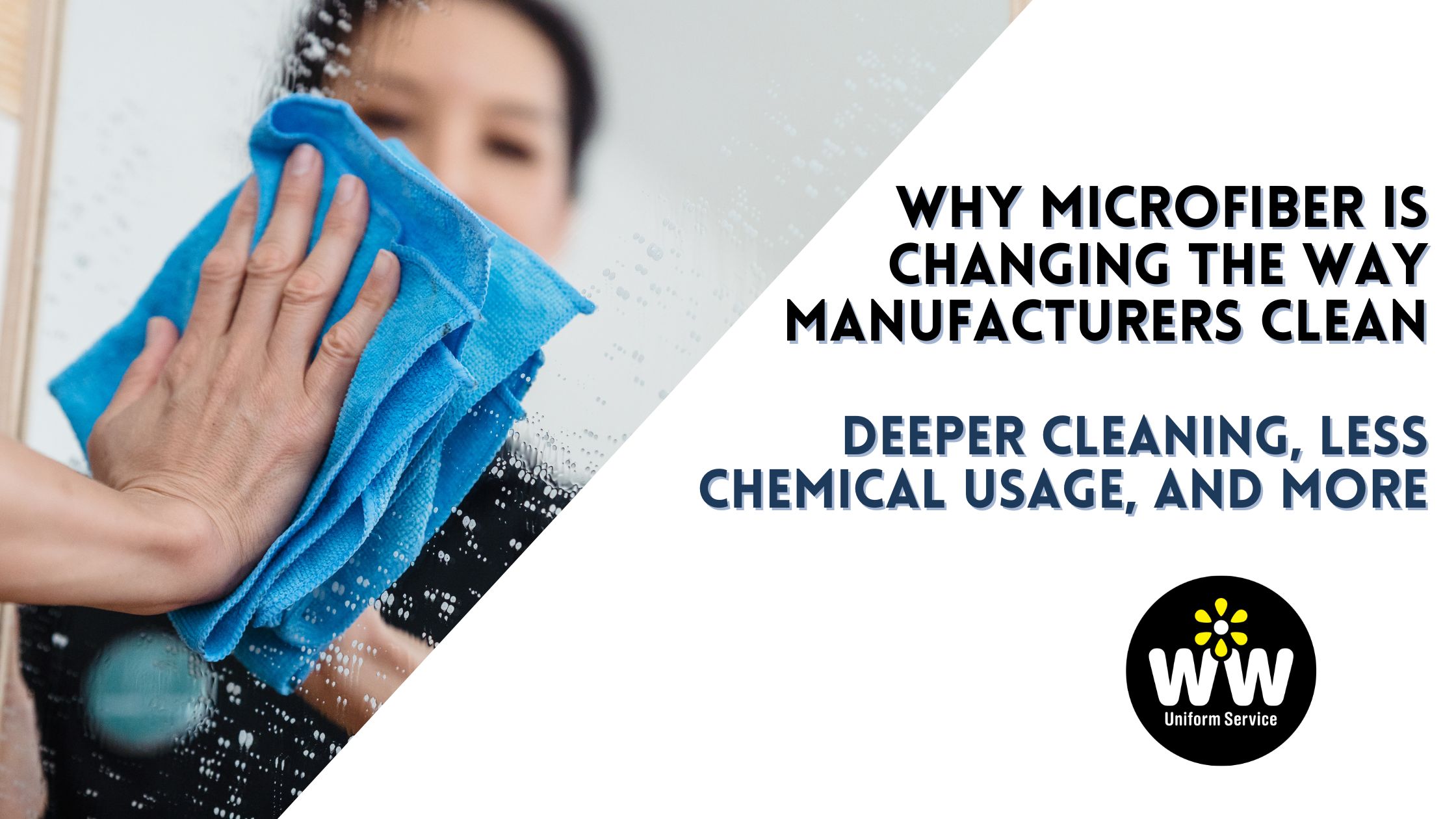
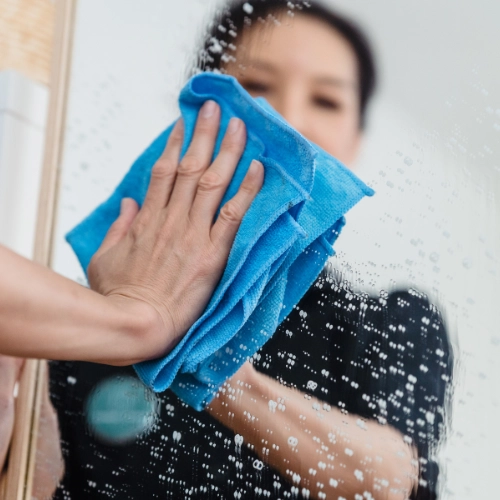
Simply put, microfiber is a cleaning material made from ultra-fine synthetic fibers, typically a blend of polyester and nylon. Those fibers are much finer than traditional cotton, which gives microfiber more surface area to pick up and hold onto dirt, dust, grease, and other debris.
Instead of simply pushing messes around, microfiber is designed to trap them until the towel or mop is professionally laundered. That means you’re removing more with each pass, leaving surfaces cleaner and spending less time going back over the same areas.
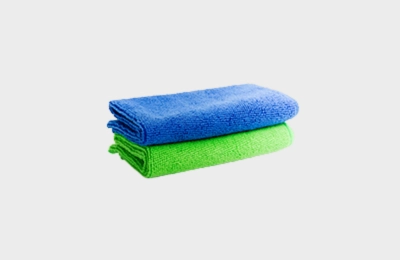
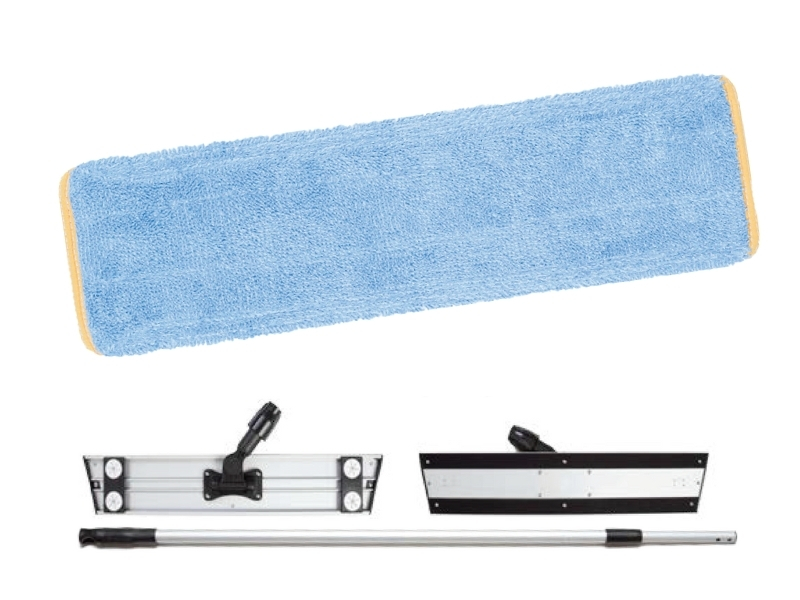
Microfiber Towel Rentals Microfiber Mop Rentals
The Benefits of Microfiber Over Cotton
Better Dirt and Dust Removal
Microfiber traps dirt, dust, grease, and bacteria within its tiny fibers instead of simply pushing contaminants around. That means less residue left behind and fewer particles becoming airborne again.
In fact, microfiber has been shown to remove up to 99% of bacteria, compared to about 30% with cotton, making it a more effective choice for many everyday cleaning tasks.
More Absorbent
Microfiber can absorb several times its weight in liquid, making it ideal for spills, leaks, and everyday cleanup.
Instead of grabbing multiple towels to clean one mess, one microfiber towel often gets the job done.
Reaches More Surface Areas
Because the fibers are so small, microfiber can clean tiny grooves, textured surfaces, and uneven equipment that traditional cotton materials often miss.
Those hard-to-reach areas can collect grease, dust, and debris over time if they aren’t cleaned thoroughly.
Cleaner Results with Fewer Chemicals
One of microfiber’s biggest advantages is how effectively it cleans with less.
Because the fibers physically lift and trap dirt, many cleaning tasks require less water and fewer cleaning chemicals than traditional cotton products. In fact, microfiber cleaning systems have been shown to use up to 95% less water and chemicals than conventional cotton mops and cloths.
That means:
- Less chemical residue on surfaces
- Reduced cleaning supply usage
- Lower employee exposure to harsh cleaners
- A more sustainable cleaning process
Of course, disinfectants are still necessary in many manufacturing environments where sanitation requirements apply. Microfiber isn’t a replacement for proper disinfecting procedures, but it can make routine cleaning more effective before disinfectants are applied.
Lower Replacement Costs Over Time
Quality microfiber products are designed to withstand hundreds of commercial wash cycles when properly cared for.
That means they often last much longer than traditional cotton towels, which can lose absorbency, fray, or wear out more quickly.
Over time, many facilities find they’re replacing cleaning materials less often, reducing waste and lowering overall costs.
Where Manufacturers Use Microfiber Every Day
Microfiber has become a popular choice across a wide range of manufacturing environments.
You’ll commonly find it being used for:
- Production floor cleaning
- Equipment wipe downs
- Assembly stations
- Maintenance departments
- Warehouse cleanup
- Spill response
- Breakrooms and common areas
- Office spaces within manufacturing facilities
Because microfiber is effective on everything from stainless steel equipment to finished surfaces, many facilities can simplify their cleaning programs without sacrificing performance.
Why More Manufacturers Choose Microfiber Rental Programs
Switching to microfiber is only part of the equation. Keeping those products performing at their best is just as important.
Microfiber needs to be washed properly to maintain the tiny fibers that make it so effective. Using fabric softeners, bleach, or washing microfiber with cotton products can reduce its ability to trap dirt and absorb liquids over time.
Instead of worrying about washing, replacing, or managing inventory, professionally laundered microfiber towels and mops arrive clean, inspected, and ready to use. Your team gets high-performing cleaning products without the added responsibility of maintaining them.
It’s one less thing to manage and one more way to keep your facility running efficiently.
Learn More About Microfiber Rental Programs
Everyday Cleaning Tips for Manufacturing Facilities
Even with the right cleaning products, a few simple habits can make your cleaning routine more effective.
Clean spills as soon as they happen.
The quicker a spill is cleaned up, the easier it is to prevent slips, stains, and residue buildup.
Use designated towels for different tasks.
Keeping separate microfiber towels for production areas, restrooms, and breakrooms can help reduce cross-contamination.
Stick to a regular cleaning schedule.
Routine cleaning throughout the day helps prevent dirt and grease from building up, making larger cleanups easier and helping maintain a safer workplace.
Keep Your Cleaning Program Working Smarter
A cleaner manufacturing facility starts with the right tools and a cleaning program that’s easy to manage.
Microfiber has become the preferred choice for many manufacturers because it cleans more effectively, helps reduce chemical use, lasts longer, and supports a cleaner work environment.
With our microfiber towel and mop rental program, your team always has professionally laundered products ready to go. There’s no need to manage inventory, worry about laundering, or replace worn-out towels yourself; we take care of that!
For more than 100 years, we’ve helped businesses across the Northeast simplify workplace operations with reliable uniform and facility service programs. If you’re looking for an easier way to keep your facility clean, contact our team today.
More Blog Posts You May Be Interested In

Cold-Weather Workwear: What Belongs in a Winter Uniform Program?

How Comfortable Manufacturing Uniform Programs Improve Morale

Uniforms for Restaurants: What to Expect From Your Provider

National Safety Month: Why Your Uniform Program Is Part of Your Safety Plan
Your Team Deserves Uniforms That Actually Work. Here’s How to Switch Uniform Providers