National Safety Month: Why Your Uniform Program Is Part of Your Safety Plan

Most people don’t think twice about the shirt or pants they put on before work, but in many industries, uniforms are doing far more than creating a professional appearance. They’re protecting workers from burns, helping employees stay visible around moving equipment, preventing contamination in food production facilities, and supporting infection control in healthcare environments.
The reality is simple: if your uniform program isn’t supporting safety, it could be creating risk.
Uniforms Are Safety Equipment (Even If They Don’t Look Like It)
When people think about workplace safety gear, hard hats, safety glasses, and gloves usually come to mind first.
Uniforms rarely make the list.
But for thousands of workers, what they wear every day is one of the most important layers of protection they have.
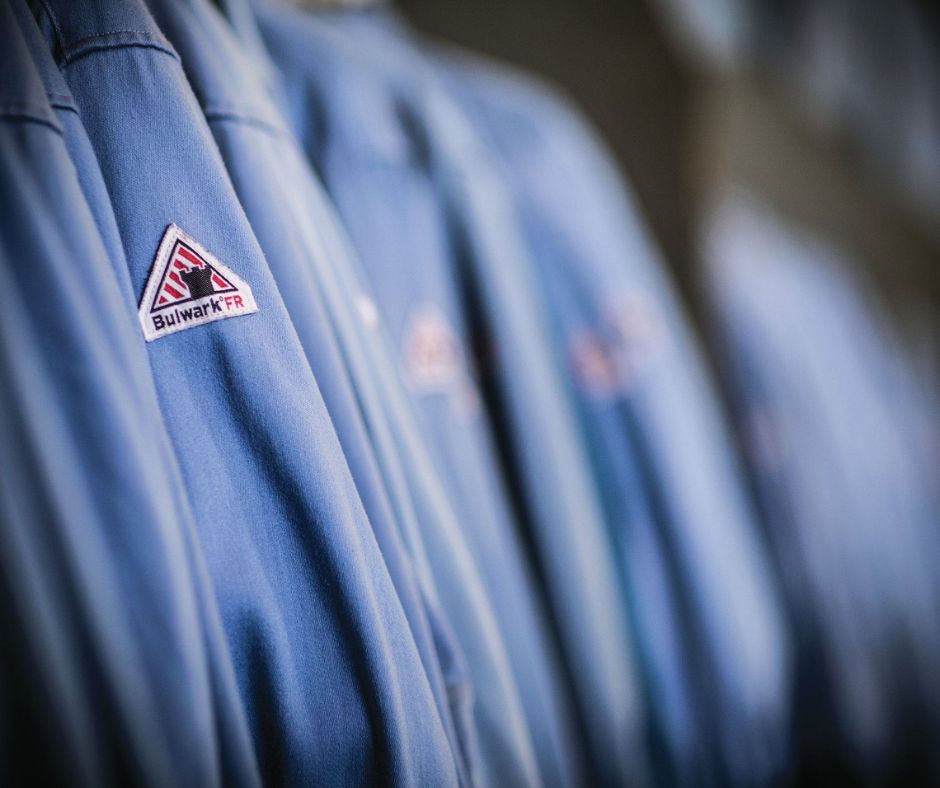
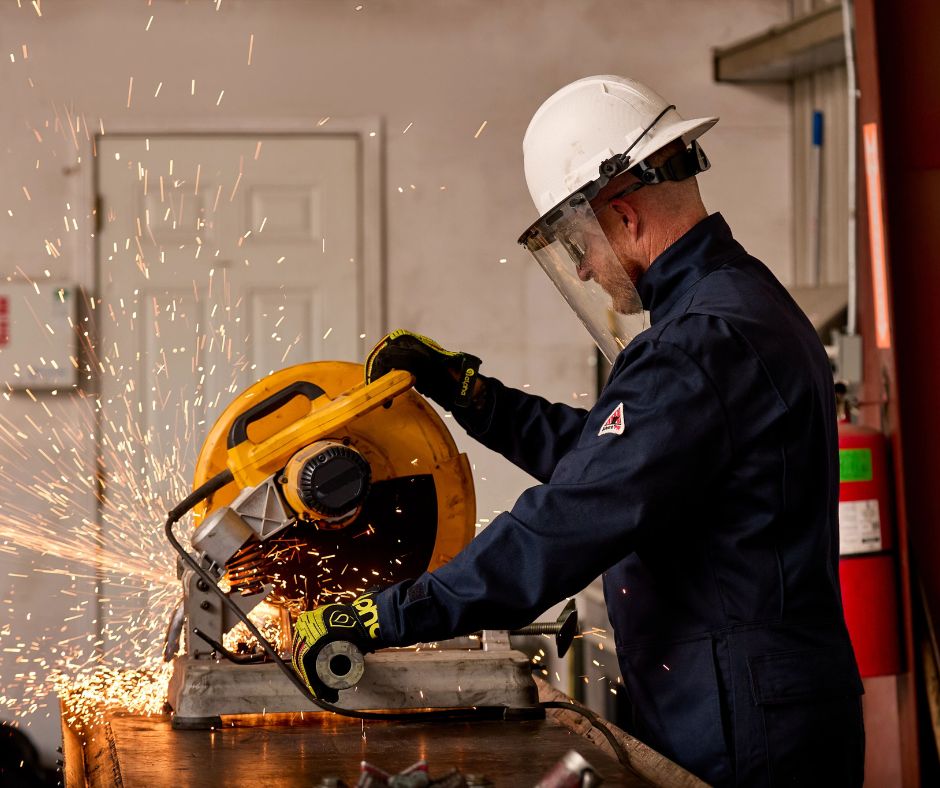
Think about an electrician exposed to arc flash hazards. A flame-resistant (FR) garment can self-extinguish after exposure to flames, helping reduce the severity of burns and giving workers valuable seconds to react.
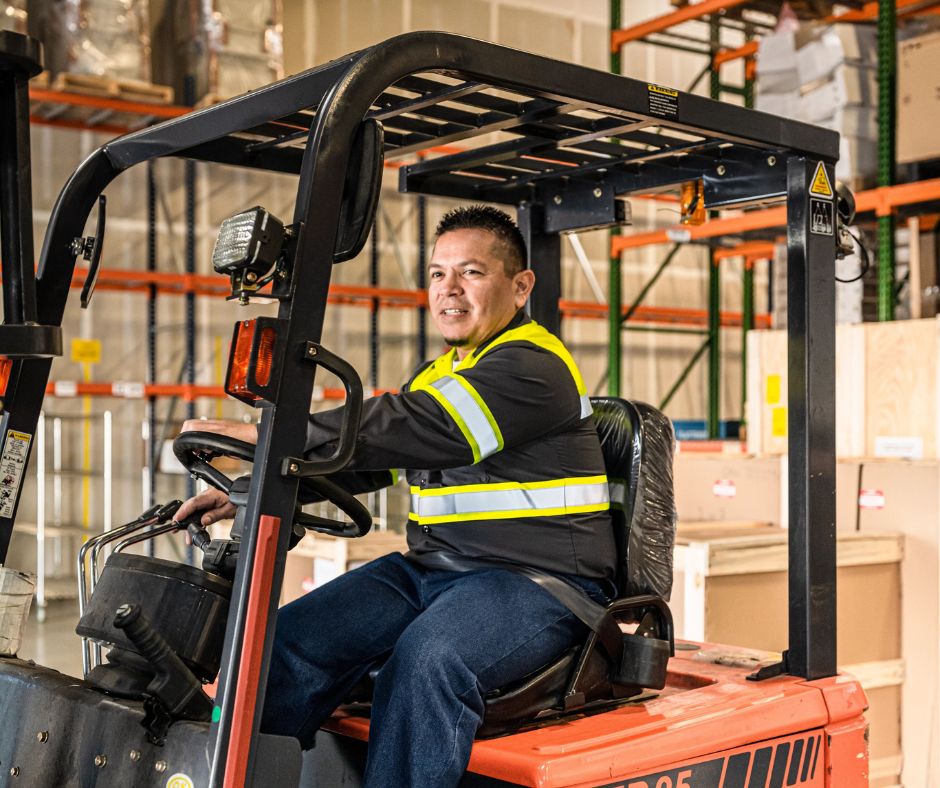
Consider a warehouse employee working around forklifts and vehicle traffic. High-visibility apparel helps ensure they’re seen by operators before an accident can happen.
Or what about employees in food processing and healthcare environments. Clean, professionally maintained garments help reduce contamination risks and support hygiene protocols that protect employees, patients, and consumers.
Even in automotive environments, uniforms play an important role in worker safety. Automotive work shirts and pants are often designed with features like oil-release technology that helps grease and automotive fluids wash out more effectively, while durable ripstop fabrics help resist tears from the demands of the job.
The Hidden Safety Risks of Inconsistent Uniform Laundering
Many companies spend time selecting the right uniforms but overlook what happens after employees take them home.
Unfortunately, inconsistent laundering can create serious safety concerns.
- FR garments can lose effectiveness when washed improperly
Incorrect washing methods may damage fabrics, leave behind flammable contaminants, or reduce the garment’s protective properties over time. - Hi-vis apparel can become less visible
Harsh detergents, bleach, and improper drying methods can affect reflective materials and reduce visibility when workers need it most. - Home laundering introduces inconsistency
In food processing and healthcare settings, temperatures, detergents, and cleaning practices vary from household to household, making it difficult to maintain reliable hygiene standards and kill the bacteria on uniforms.
There’s another often-overlooked concern: what employees may be bringing home with them.
Throughout the day, uniforms can collect dirt, grease, oils, dust, food particles, bacteria, and other workplace contaminants. When employees wash uniforms at home, those materials don’t always stay at work. They can end up in personal vehicles, laundry rooms, and household washing machines.
Professional laundering helps create a cleaner separation between work and home, giving employees confidence that workplace contaminants stay where they belong.
It also removes the guesswork. Employees don’t have to wonder if their uniforms were washed correctly, if stains were fully removed, or if safety garments were cared for according to manufacturer specifications. They know their uniforms are being cleaned, inspected, and maintained by professionals every single week.

Proper Fit Is a Safety Feature
A uniform can’t do its job if it doesn’t fit properly.
- Pants that are too long create trip hazards.
- Shirts that are too loose can snag on machinery or moving equipment.
- Garments that are too tight can restrict movement and make it difficult for employees to work safely and comfortably.
That’s why professional uniform programs include employee sizing and ongoing fit management.
As team members join your organization, change positions, or simply need a different size, garments can be adjusted and replaced accordingly. Employees aren’t forced to make do with whatever happens to be available.
Compliance Isn’t Just About Having the Right Garment
One of the biggest misconceptions businesses have is that compliance ends once uniforms are purchased.
In reality, compliance often depends on how garments are maintained.
FR clothing must be properly inspected, repaired, and maintained to continue providing protection. Torn sleeves, damaged closures, or contamination with flammable substances can compromise performance.
Hi-vis garments need to maintain their reflective properties and color brightness to remain effective. Worn-out or faded garments may no longer provide the visibility workers need.
Food processing facilities often require strict garment handling procedures designed to help prevent product contamination. Consistent laundering, garment segregation, and proper handling all play important roles.
Healthcare uniforms and lab coats contribute to infection prevention efforts. Clean garments help support a professional environment while reducing opportunities for cross-contamination.
Let’s be honest, if you walked into a doctor’s office and saw visible stains on a provider’s lab coat, your confidence would probably drop immediately. Clean uniforms matter for both safety and trust.

What Does Hygienically Clean Certification Mean?
This certification verifies that a laundry facility follows validated processes designed to achieve hygienically clean textiles through independent testing and inspections.
For businesses in healthcare, food processing, hospitality, and other hygiene-sensitive industries, that certification provides confidence that garments are being processed according to recognized standards.
It’s not simply “washed and folded.” It’s documented, verified cleaning practices designed to support employee and customer safety.
Why RFID Tracking Supports Safety and Compliance
Safety documentation becomes especially important during audits, inspections, and compliance reviews, and that’s where RFID technology can make a major difference.
RFID tags allow garments to be individually tracked throughout their lifecycle.
This means businesses can better document:
- Garment assignments
- Wash history
- Repair history
- Replacement records
- Delivery verification
- Inventory management
Instead of relying on guesswork or manual spreadsheets, RFID creates a digital record that helps support accountability and audit readiness.
When an inspector asks how safety garments are being maintained, documentation matters.
Safety Through Consistency
One of the biggest benefits of a managed uniform program is consistency.
Employees aren’t deciding whether a garment is still “good enough” to wear. Garments are professionally inspected every wash cycle, repairs are made when needed, and worn or damaged items are replaced before they become a safety concern.
That consistency helps prevent situations like:
- an employee wearing a faded hi-vis vest because “it’s probably fine”
- a torn FR sleeve going unreported
- pants dragging on the floor and creating a trip hazard
- a stained healthcare garment continuing to circulate
What If Your Current Provider Can’t Document Compliance?
If your provider can’t clearly explain:
- how garments are cleaned
- how garments are inspected
- how repairs are documented
- how inventory is tracked
- how compliance records are maintained
…you may have a gap in your safety program.
A quality uniform provider should be able to explain their processes and provide documentation that supports your safety goals. Because when an incident occurs or an auditor shows up, “we think it’s being handled” isn’t the answer anyone wants to give.
National Safety Month Is the Perfect Time for a Uniform Program Checkup
Workplace safety is built from hundreds of small decisions made every day.
The uniforms your team wears are one of those decisions.
At WW Uniform Service, we’ve spent more than 100 years helping businesses create uniform programs that support safety, compliance, and operational efficiency. Through professional garment care, RFID tracking, and Hygienically Clean-certified processes, we help organizations make uniforms an active part of their safety plan.
If you’re evaluating your workplace safety program this National Safety Month, don’t forget to take a closer look at the uniforms your team depends on every day.
Let’s talk about setting up the best uniform program for your team.
More Blog Posts You May Be Interested In

Cold-Weather Workwear: What Belongs in a Winter Uniform Program?
How Comfortable Manufacturing Uniform Programs Improve Morale
Benefits of Microfiber: Why More Manufacturers Are Making the Switch

Uniforms for Restaurants: What to Expect From Your Provider
Your Team Deserves Uniforms That Actually Work. Here’s How to Switch Uniform Providers